Animation style
Use material and shape words that describe the chosen animation treatment, not a long list of unrelated styles.
Annual billing Everygen annual plans cost about 50% less than monthly billing
 Everygen
Develop an original animated scene with a chosen look and one expressive action. Describe shape, timing and camera movement, then compare short takes.
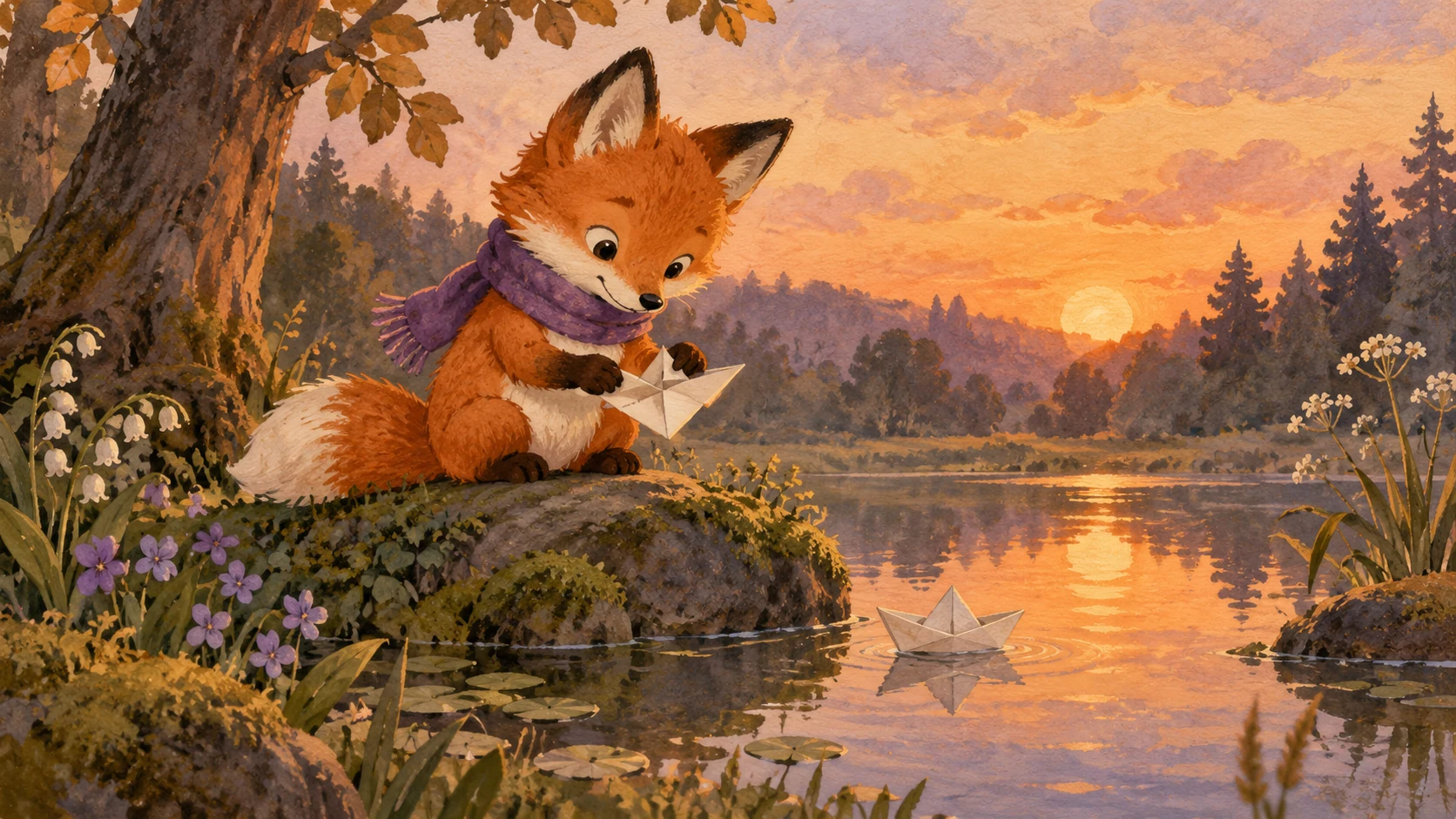
A tiny paper fox folds itself into shape on a craft table, playful stop-motion timing and soft studio shadows.
Choose a visual language before describing the action: paper forms, clay-like objects or flat illustrated characters call for different movement cues. Keep one subject and one expressive moment in the first brief.
Use material and shape words that describe the chosen animation treatment, not a long list of unrelated styles.
Repeat the character's defining silhouette and palette when planning another shot in the same concept.
Say how the action begins, changes and settles, then check whether the generated timing conveys the intended emotion.
Write a scene brief with a subject, one action, a setting and a camera direction.
Check the selected model or tool, its offered output controls and current credit estimate. Submit only when the required service is available.
Watch the complete clip and compare its action, edges and timing with the source or brief before using the selected take.
Paper, clay-like, geometric and drawn scenes need different material and timing descriptions; settle the visual language first.
A small gesture, pause or environmental change can communicate the moment without several competing plot events.
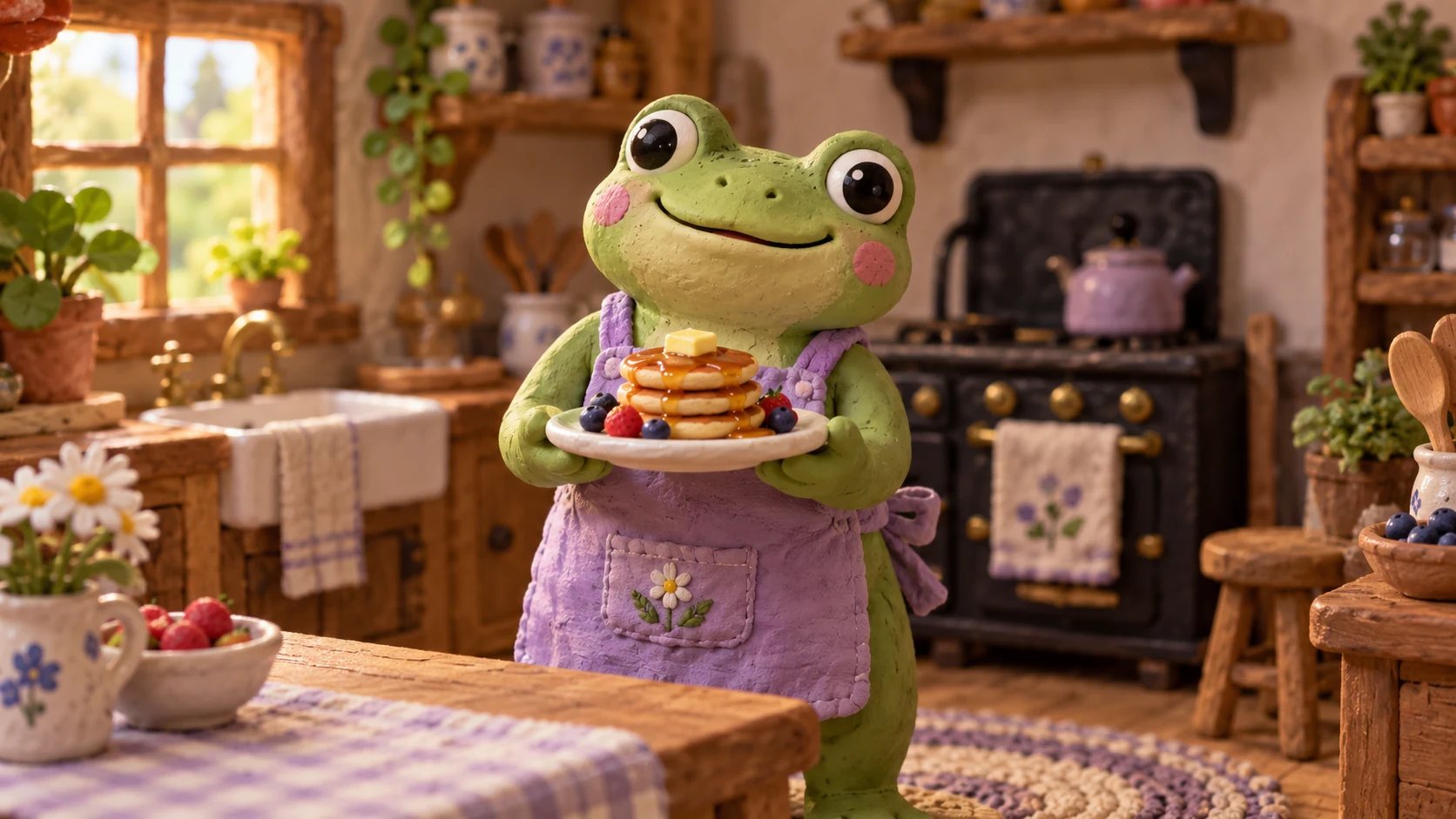
Watch the subject's silhouette, color and important details as movement changes the viewpoint.

A simple frame makes stylized motion easier to assess than a camera move that competes with the character's action.
Check whether the gesture reads clearly and whether the chosen material treatment remains coherent throughout the take.
Newly generated illustrations show possible art direction. Adapt the original briefs for your own inputs and compare the result.
A tiny paper fox folds itself into shape on a craft table, playful stop-motion timing and soft studio shadows.
A tiny paper fox folds itself into shape on a craft table, playful stop-motion timing and soft studio shadows. Keep the composition simple and show the subject clearly.
A tiny paper fox folds itself into shape on a craft table, playful stop-motion timing and soft studio shadows. Use restrained lighting and review fine details at the final viewing size.
Compare monthly plans, annual billing and one-time credit packs. Check allowances, credit expiry and the editor estimate before choosing paid access.
Billed once yearly · Cancel renewal anytime
0.025 / credit
$179 billed yearly · Save $179.8
 MiniMax H3
 HappyHorse 1.1
 Seedance 2.5
 Grok Imagine 1.5
 Gemini Omni
 GPT Image 2.5
 Seedream 5.0 ProNano Banana 2 LiteGPT Image 2Nano Banana 2
0.017 / credit
$299 billed yearly · Save $299.8
MiniMax H3HappyHorse 1.1Seedance 2.5Grok Imagine 1.5Gemini OmniGPT Image 2.5Seedream 5.0 ProNano Banana 2 LiteGPT Image 2Nano Banana 20.014 / credit
$599 billed yearly · Save $599.8
MiniMax H3HappyHorse 1.1Seedance 2.5Grok Imagine 1.5Gemini OmniGPT Image 2.5Seedream 5.0 ProNano Banana 2 LiteGPT Image 2Nano Banana 20.012 / credit
$1,199 billed yearly · Save $1,199.8
MiniMax H3HappyHorse 1.1Seedance 2.5Grok Imagine 1.5Gemini OmniGPT Image 2.5Seedream 5.0 ProNano Banana 2 LiteGPT Image 2Nano Banana 2Specialized operations stay separate from the model list.
MiniMax H3Live estimate in the editorHappyHorse 1.1Live estimate in the editorSeedance 2.5Live estimate in the editorGrok Imagine 1.5Live estimate in the editorGemini OmniLive estimate in the editorGPT Image 2.5Live estimate in the editorSeedream 5.0 ProLive estimate in the editorNano Banana 2 LiteLive estimate in the editorGPT Image 2Live estimate in the editorNano Banana 2Live estimate in the editorGeneration costs depend on the selected model, supported settings and configured provider. The editor shows the current estimate before submission.
Annual cards show a monthly-equivalent allowance. The full annual credit allowance is granted on successful payment and expires after 365 days; monthly credits are valid for 30 days. Credit-pack validity is shown on each card.
Develop an original animated scene with a chosen look and one expressive action. Describe shape, timing and camera movement, then compare short takes.