Starting frame
Use a sharp, well-framed image. Details hidden in the source cannot be assumed to appear accurately when the scene begins moving.
Annual billing Everygen annual plans cost about 50% less than monthly billing
 Everygen
Upload a still image and describe what should move. Use image to video to explore a short shot while reviewing framing, subject detail and motion.
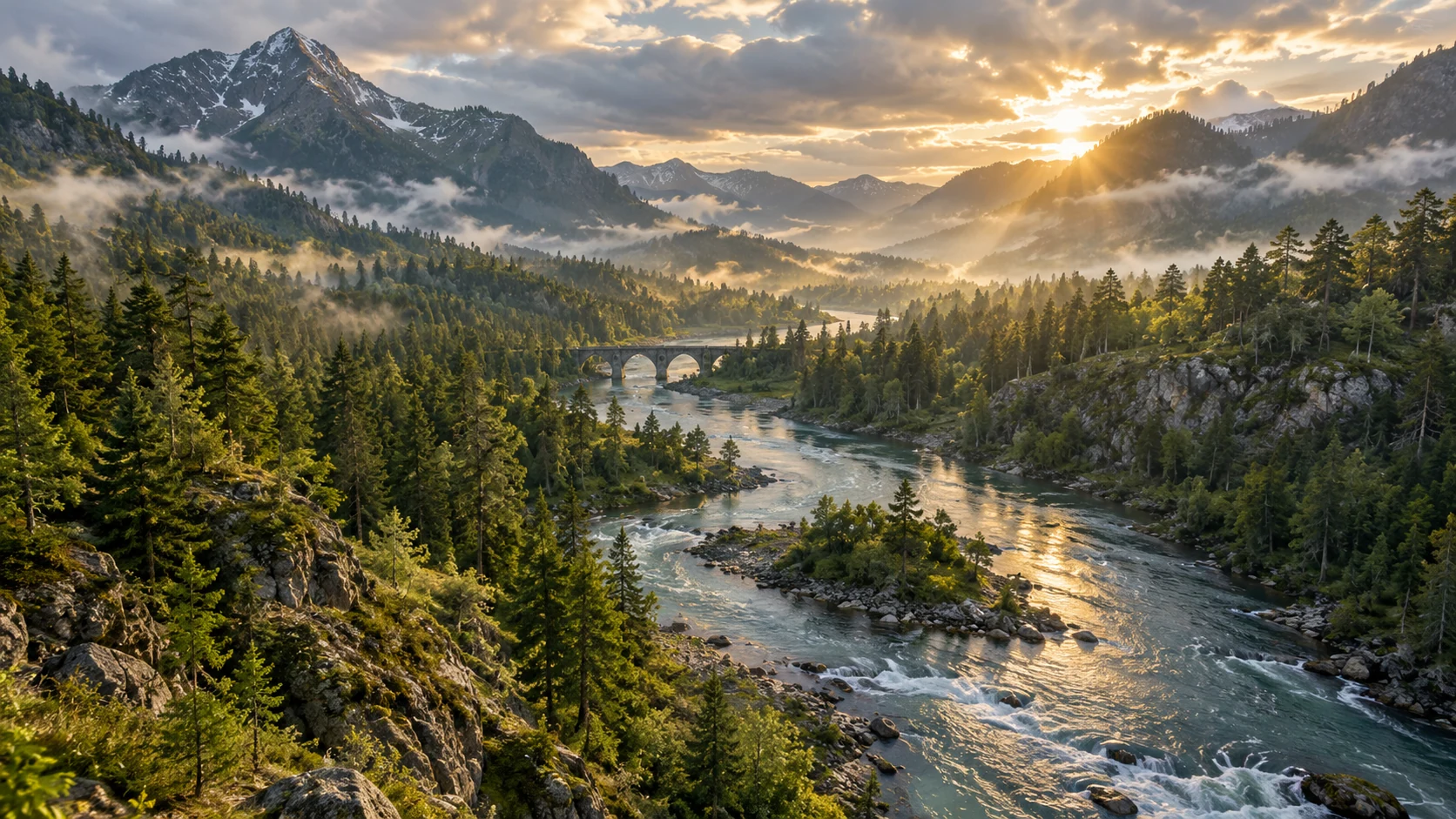
Animate this forest scene with a gentle breeze in the leaves and a subtle forward camera move; keep the path unchanged.
The uploaded image establishes the starting composition. Identify the subject and request a motion that can plausibly begin there; large pose or perspective changes need closer review for visual drift.
Use a sharp, well-framed image. Details hidden in the source cannot be assumed to appear accurately when the scene begins moving.
Choose restrained movement first: a blink, breeze or camera drift is easier to evaluate than several simultaneous actions.
Inspect the first and last frames together for changes to the subject's proportions, clothing, placement and surrounding objects.
Upload one clear starting image and describe what should move.
Check the selected model or tool, its offered output controls and current credit estimate. Submit only when the required service is available.
Watch the complete clip and compare its action, edges and timing with the source or brief before using the selected take.
Choose a source with the important subject fully visible and enough margin for the requested camera or subject movement.
A restrained action helps reveal which details the model keeps; expand the motion only after reviewing the initial take.

Compare identifying features, lettering and accessories between the source, early frames and final frame before selecting the clip.
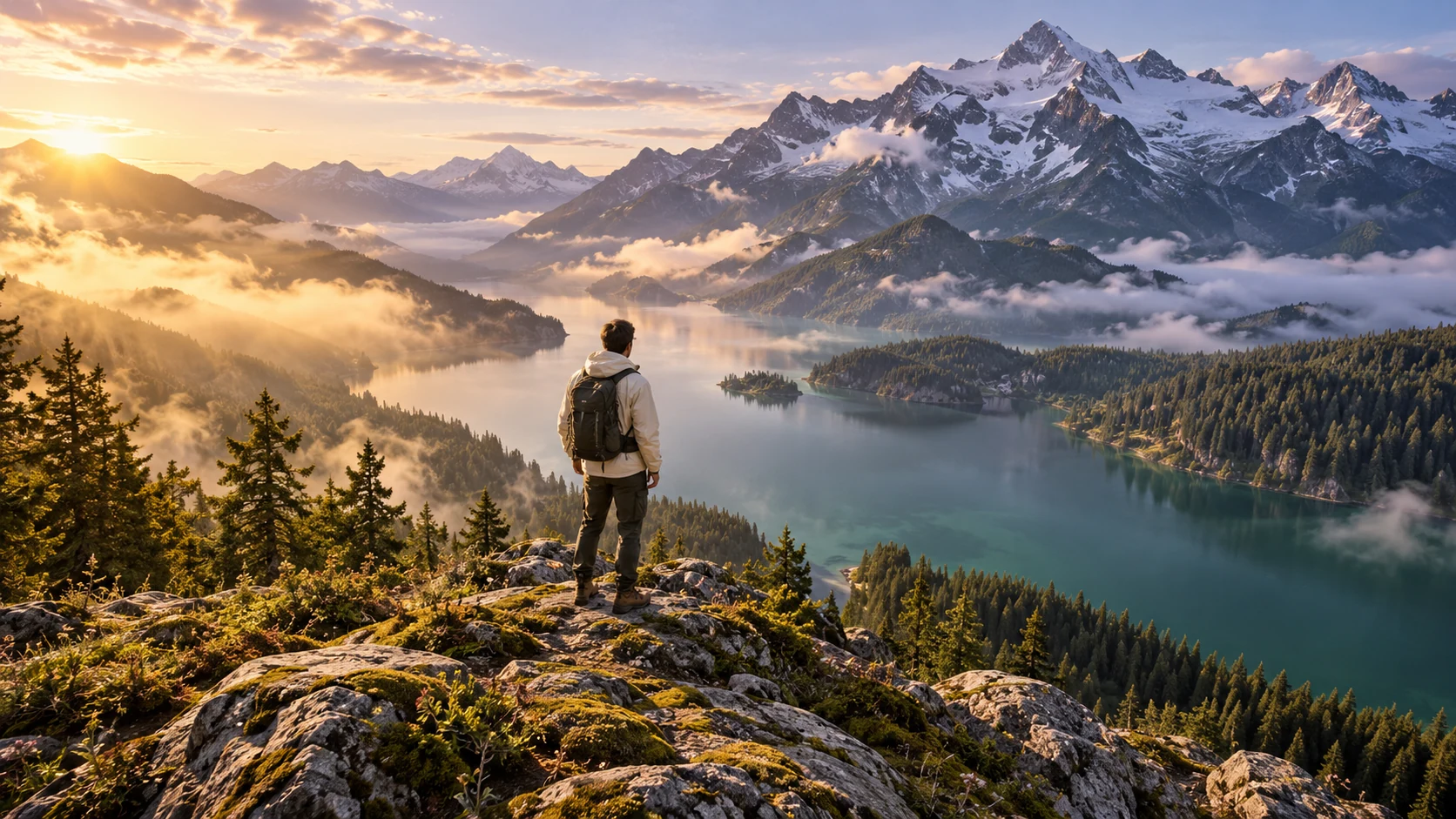
Specify which background elements should remain still and which may move, such as leaves, mist or a curtain.
Watch the first moments for a jump in pose or framing rather than assuming a strong still image guarantees smooth animation.
Newly generated illustrations show possible art direction. Adapt the original briefs for your own inputs and compare the result.
Animate this forest scene with a gentle breeze in the leaves and a subtle forward camera move; keep the path unchanged.
Animate this forest scene with a gentle breeze in the leaves and a subtle forward camera move; keep the path unchanged. Keep the composition simple and show the subject clearly.
Animate this forest scene with a gentle breeze in the leaves and a subtle forward camera move; keep the path unchanged. Use restrained lighting and review fine details at the final viewing size.
Compare monthly plans, annual billing and one-time credit packs. Check allowances, credit expiry and the editor estimate before choosing paid access.
Billed once yearly · Cancel renewal anytime
0.025 / credit
$179 billed yearly · Save $179.8
 MiniMax H3
 HappyHorse 1.1
 Seedance 2.5
 Grok Imagine 1.5
 Gemini Omni
 GPT Image 2.5
 Seedream 5.0 ProNano Banana 2 LiteGPT Image 2Nano Banana 2
0.017 / credit
$299 billed yearly · Save $299.8
MiniMax H3HappyHorse 1.1Seedance 2.5Grok Imagine 1.5Gemini OmniGPT Image 2.5Seedream 5.0 ProNano Banana 2 LiteGPT Image 2Nano Banana 20.014 / credit
$599 billed yearly · Save $599.8
MiniMax H3HappyHorse 1.1Seedance 2.5Grok Imagine 1.5Gemini OmniGPT Image 2.5Seedream 5.0 ProNano Banana 2 LiteGPT Image 2Nano Banana 20.012 / credit
$1,199 billed yearly · Save $1,199.8
MiniMax H3HappyHorse 1.1Seedance 2.5Grok Imagine 1.5Gemini OmniGPT Image 2.5Seedream 5.0 ProNano Banana 2 LiteGPT Image 2Nano Banana 2Specialized operations stay separate from the model list.
MiniMax H3Live estimate in the editorHappyHorse 1.1Live estimate in the editorSeedance 2.5Live estimate in the editorGrok Imagine 1.5Live estimate in the editorGemini OmniLive estimate in the editorGPT Image 2.5Live estimate in the editorSeedream 5.0 ProLive estimate in the editorNano Banana 2 LiteLive estimate in the editorGPT Image 2Live estimate in the editorNano Banana 2Live estimate in the editorGeneration costs depend on the selected model, supported settings and configured provider. The editor shows the current estimate before submission.
Annual cards show a monthly-equivalent allowance. The full annual credit allowance is granted on successful payment and expires after 365 days; monthly credits are valid for 30 days. Credit-pack validity is shown on each card.
Upload a still image and describe what should move. Use image to video to explore a short shot while reviewing framing, subject detail and motion.