Scene order
Keep the sequence short enough for the selected duration. A character opening a door is more manageable than an entire arrival-and-departure story.
Annual billing Everygen annual plans cost about 50% less than monthly billing
 Everygen
Write a subject, action and camera direction, then choose video settings. Explore text to video with a focused shot rather than a sequence of unrelated effects.
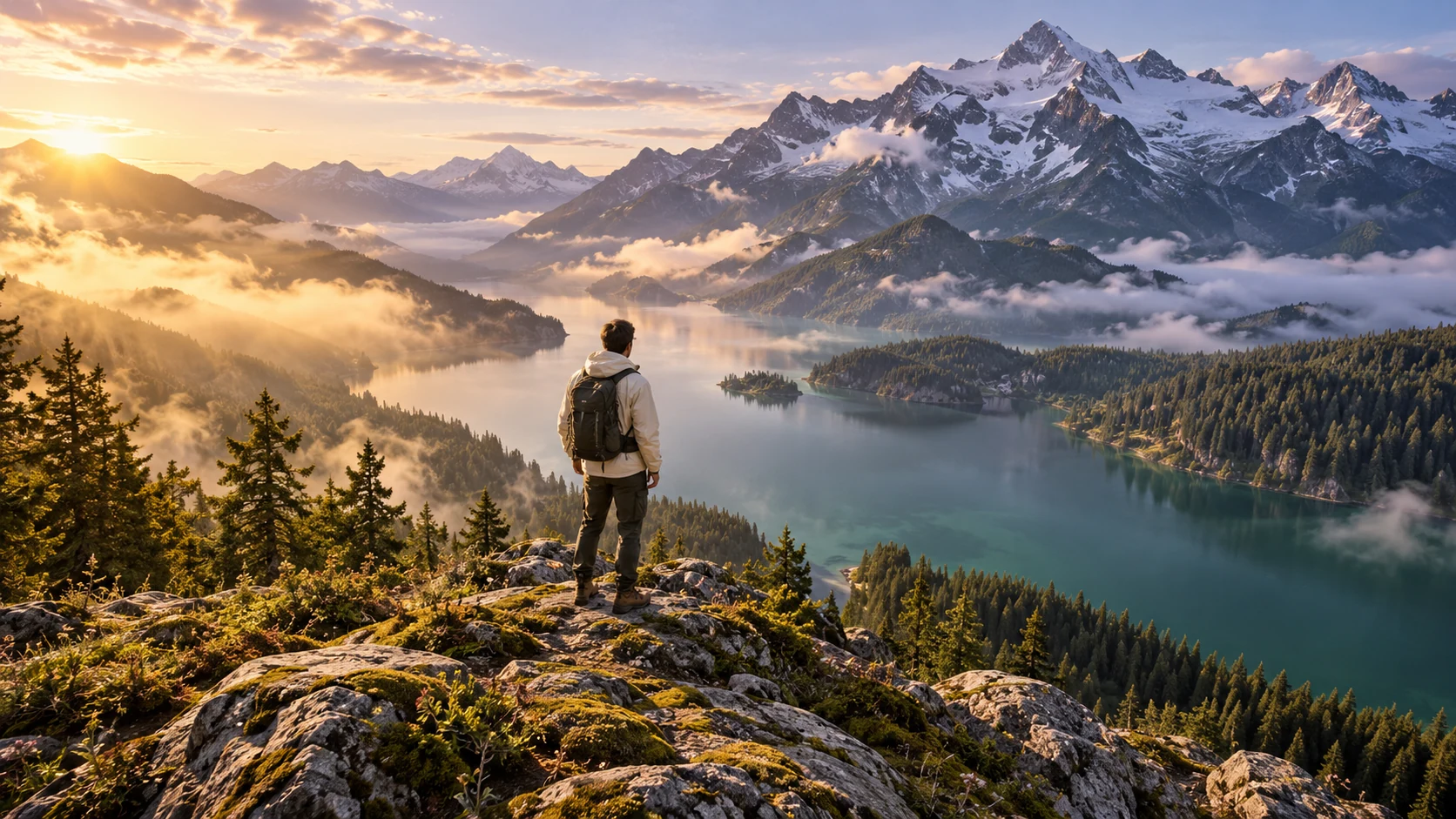
A ceramic cup on a rain-soaked cafe table; steam curls upward as the camera slowly pushes closer.
Write the shot as something a viewer can observe: who is present, what happens and where the camera begins. Abstract mood words work better when attached to concrete light, movement or scenery.
Keep the sequence short enough for the selected duration. A character opening a door is more manageable than an entire arrival-and-departure story.
Use visible verbs such as turns, lifts or walks. State direction and speed when they affect how the action reads.
Give the shot an ending condition, such as reaching a doorway or completing a turn, so you can assess whether the action finishes.
Write a scene brief with a subject, one action, a setting and a camera direction.
Check the selected model or tool, its offered output controls and current credit estimate. Submit only when the required service is available.
Watch the complete clip and compare its action, edges and timing with the source or brief before using the selected take.
Describe the initial situation and the event that closes the shot so its timing can be compared with the result.
State whether the camera observes from a distance, follows the subject or approaches a detail instead of combining every movement.
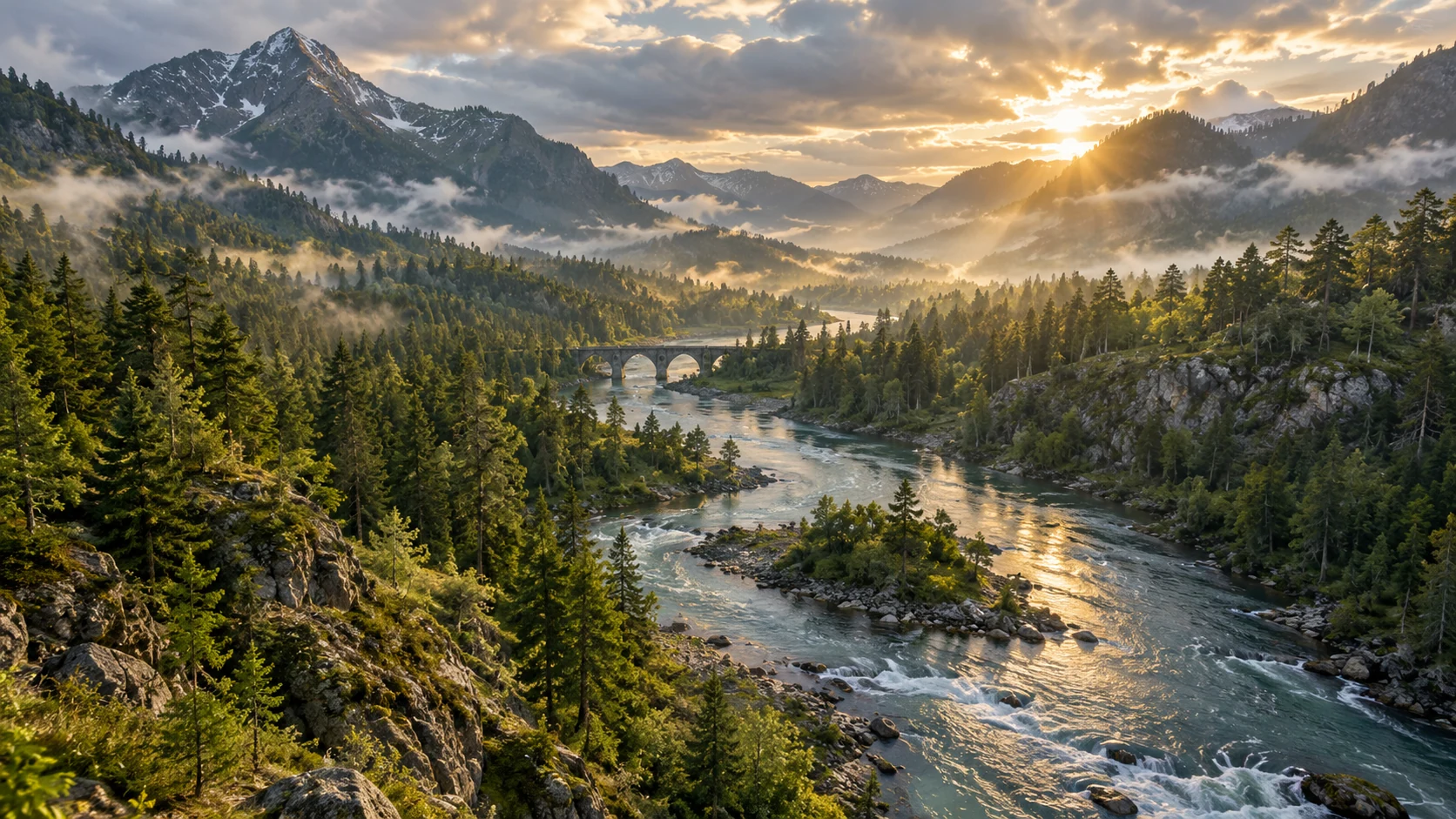
Name a plausible light source, such as a window or street lamp, and describe how it falls on the main subject.

Choose a ratio that fits the intended clip placement and leave deliberate room for any captions added during editing.
If the action ends too early or the camera moves too fast, change that instruction and compare another take.
Newly generated illustrations show possible art direction. Adapt the original briefs for your own inputs and compare the result.
A ceramic cup on a rain-soaked cafe table; steam curls upward as the camera slowly pushes closer.
A ceramic cup on a rain-soaked cafe table; steam curls upward as the camera slowly pushes closer. Keep the composition simple and show the subject clearly.
A ceramic cup on a rain-soaked cafe table; steam curls upward as the camera slowly pushes closer. Use restrained lighting and review fine details at the final viewing size.
Compare monthly plans, annual billing and one-time credit packs. Check allowances, credit expiry and the editor estimate before choosing paid access.
Billed once yearly · Cancel renewal anytime
0.025 / credit
$179 billed yearly · Save $179.8
 MiniMax H3
 HappyHorse 1.1
 Seedance 2.5
 Grok Imagine 1.5
 Gemini Omni
 GPT Image 2.5
 Seedream 5.0 ProNano Banana 2 LiteGPT Image 2Nano Banana 2
0.017 / credit
$299 billed yearly · Save $299.8
MiniMax H3HappyHorse 1.1Seedance 2.5Grok Imagine 1.5Gemini OmniGPT Image 2.5Seedream 5.0 ProNano Banana 2 LiteGPT Image 2Nano Banana 20.014 / credit
$599 billed yearly · Save $599.8
MiniMax H3HappyHorse 1.1Seedance 2.5Grok Imagine 1.5Gemini OmniGPT Image 2.5Seedream 5.0 ProNano Banana 2 LiteGPT Image 2Nano Banana 20.012 / credit
$1,199 billed yearly · Save $1,199.8
MiniMax H3HappyHorse 1.1Seedance 2.5Grok Imagine 1.5Gemini OmniGPT Image 2.5Seedream 5.0 ProNano Banana 2 LiteGPT Image 2Nano Banana 2Specialized operations stay separate from the model list.
MiniMax H3Live estimate in the editorHappyHorse 1.1Live estimate in the editorSeedance 2.5Live estimate in the editorGrok Imagine 1.5Live estimate in the editorGemini OmniLive estimate in the editorGPT Image 2.5Live estimate in the editorSeedream 5.0 ProLive estimate in the editorNano Banana 2 LiteLive estimate in the editorGPT Image 2Live estimate in the editorNano Banana 2Live estimate in the editorGeneration costs depend on the selected model, supported settings and configured provider. The editor shows the current estimate before submission.
Annual cards show a monthly-equivalent allowance. The full annual credit allowance is granted on successful payment and expires after 365 days; monthly credits are valid for 30 days. Credit-pack validity is shown on each card.
Write a subject, action and camera direction, then choose video settings. Explore text to video with a focused shot rather than a sequence of unrelated effects.